

The Performance Marketing Ceiling: Why Rising Customer Acquisition Costs Signal Strategic Exhaustion
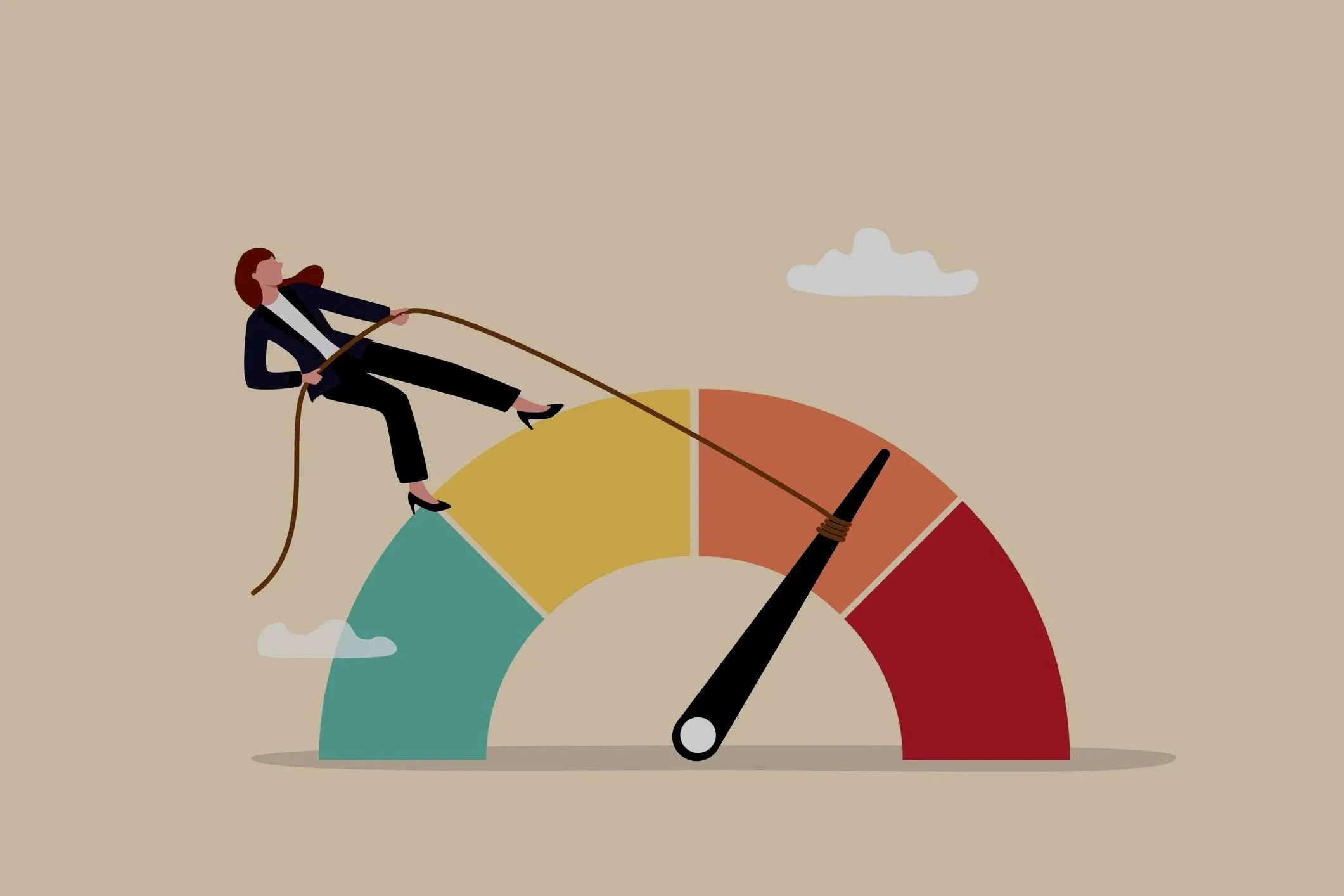
Rising customer acquisition costs are not a market fluctuation. They represent the natural endpoint of tactical, single-channel marketing strategies. For digital-born brands that scaled entirely on performance platforms, the mathematics of customer acquisition is beginning to break down. Lifetime value is being systematically eroded by the escalating cost of reaching the next customer, creating a growth ceiling that many brands are only beginning to recognise.
The most instructive example remains Airbnb's decision to reduce performance marketing spend by over £500 million. The result was telling: they maintained 95% of their traffic whilst dramatically improving their cost base. This outcome illuminates a fundamental truth about performance marketing that most brands have yet to confront. High-frequency exposure in low-attention digital environments does not create the brand familiarity necessary for sustainable growth. Performance marketing allows brands to rent demand, but it cannot build the mental availability required to own it.
The Data Distortion Problem
Brands operating exclusively within Meta's ecosystem face a significant data blindness issue. Customer understanding becomes shaped by Meta's user demographics rather than the total addressable market. The platform's algorithm naturally optimises towards its most engaged users, who skew older and downmarket compared to the broader population. This creates a feedback loop where brand targeting becomes progressively narrower, limiting growth potential whilst driving up acquisition costs.
The customer profile reflected in campaign dashboards represents a media-influenced subset, not a true market representation. Brands scaling within these constraints are optimising for visibility within an increasingly expensive and demographically narrow audience, mistaking platform efficiency for market effectiveness. The total addressable market remains significantly larger than what performance-only strategies can access or measure.
The Attention Economics Reality
Current digital advertising inventory suffers from a fundamental attention deficit. Research indicates that approximately 75% of accredited digital inventory receives zero active attention from viewers. The average display advertisement achieves just 1.6 seconds of focused viewing time. For meaningful brand recognition and memory encoding to occur, content requires a minimum of 2.5 seconds of concentrated attention. Most digital advertising spend therefore functions as financial participation in the advertising ecosystem rather than effective brand communication.
This attention scarcity explains why performance marketing exhibits diminishing returns over time. Without sufficient attention duration, advertisements cannot build the cumulative brand familiarity that reduces future acquisition costs. Brands operating in these environments are effectively paying for invisible impressions whilst competing in an auction system that rewards volume over impact.
Television as Performance Media
Linear television offers compelling evidence for attention-based media planning. Television generates an immediate return of £1.51 for every pound invested, demonstrating clear performance characteristics alongside its brand-building capabilities. More significantly, television delivers an average of 13 seconds of active attention per impression, representing approximately eight times the engagement duration of standard display advertising.
Our work with Leasing Options demonstrates this principle in practice. This thirty-year-old car leasing business had never invested in television advertising. Beginning with a £50,000 monthly test budget, the performance results proved sufficiently compelling that they committed £1 million to a darts sponsorship deal. Direct traffic leads increased by 2,000% year on year, substantially reducing their reliance on expensive comparison site partnerships. The investment transformed them from a business dependent on third-party demand aggregation to one that could generate direct customer interest at scale.
Strategic Recommendations
Brands currently constrained by performance-only marketing approaches require a fundamental reassessment of their media strategy. The objective is not to abandon performance marketing but to create the conditions that make it more effective. Brand building activities with extended attention duration create the mental availability that improves performance marketing efficiency. Customers who recognise a brand prior to entering a purchase consideration set convert at higher rates and lower costs.
The strategic approach requires three fundamental shifts. First, brands must audit their effective reach beyond existing customer profiles, measuring their visibility amongst potential customers who are not currently in market. Second, media buying priorities must shift from cost-per-click optimisation towards attention duration, treating the 2.5-second threshold as a minimum standard rather than an aspirational target. Third, investment must diversify into high-attention media channels including television, premium digital video, and high-impact out-of-home formats that can deliver the attention duration necessary for brand building.
The performance marketing ceiling represents a strategic inflection point rather than a tactical challenge. Brands that recognise this reality and invest accordingly will create sustainable competitive advantages. Those that continue optimising within existing constraints will face escalating costs for access to an increasingly narrow and expensive audience base. The choice between tactical adjustment and strategic evolution will determine which brands successfully scale beyond their current growth limitations.