

Reclaiming Emotion in Marketing
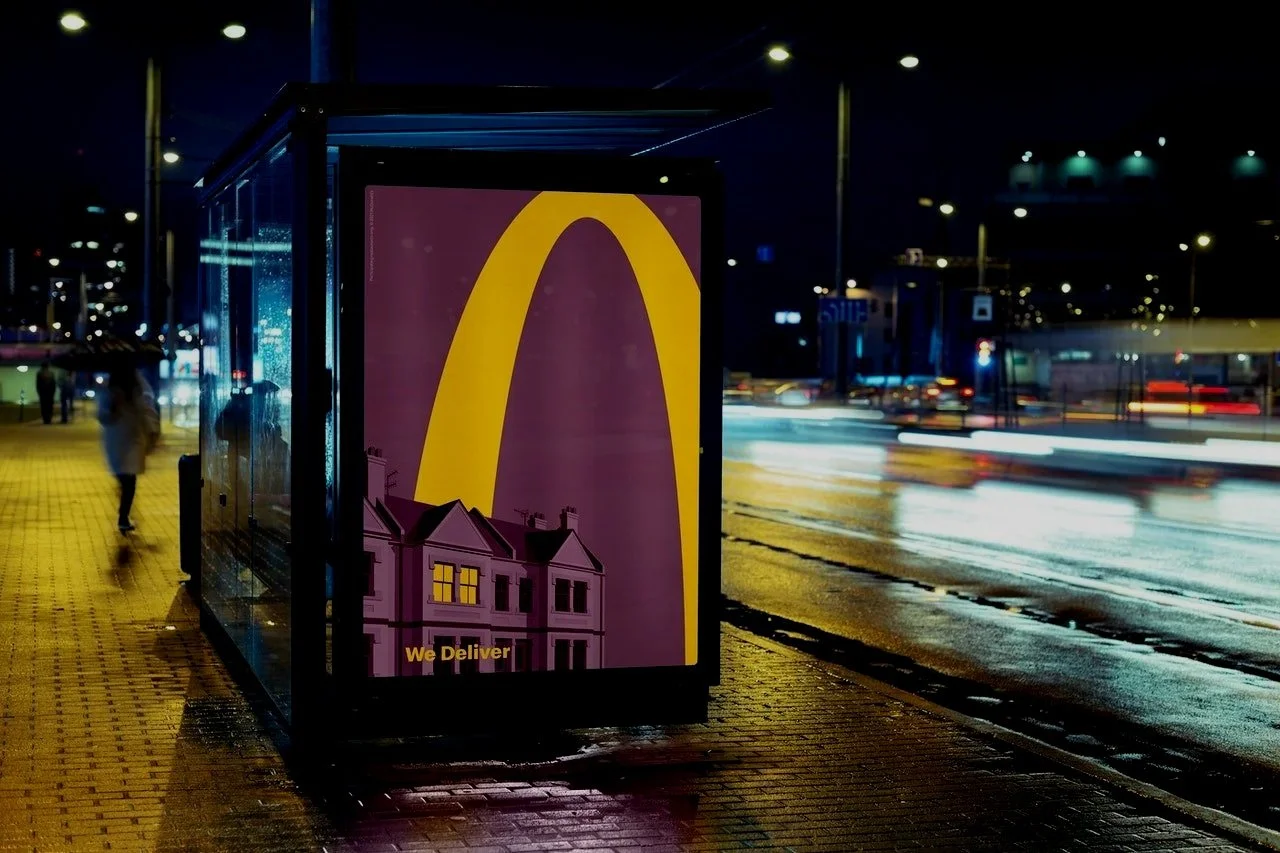
Once upon a time, marketing made people feel something. Then the dashboards arrived.
The past decade of marketing has been defined by data triumphing over depth. Performance brands became experts in optimisation: testing headlines, trimming cost per acquisition, automating creative rotation. It worked for a time. But somewhere along the way, the industry lost the plot and its soul.
Today, digital feeds are filled with sterile carousels and interchangeable user-generated ads. Everything looks the same because everyone is optimising towards the same metrics. Emotion, the human pulse behind great marketing, has been engineered out of the system.
Emotion Is Not Fluff. It Is the Hardest Data You Can Buy
This is not nostalgia for a pre-digital era. It is a call to remember what actually works.
System1’s “Feeling Seen” research showed that campaigns which evoke genuine emotion perform better across all key commercial measures, including brand recall, trust, and purchase intent. Similarly, the IPA’s “Lemon” and “Look Out” studies demonstrated that emotional campaigns generate more than twice the long-term profit growth of rational ones.
The reason is neurological. Emotional memory lasts. The brain tags emotional experiences for long-term storage. Rational messages fade, but emotional ones endure. Neuroscience confirms that emotionally charged ads activate areas of the brain linked to memory and decision-making. When a campaign makes someone feel something, it embeds the brand in the customer’s memory.
Why Digital Optimisation Cannot Replicate This
Digital channels excel at precision but struggle with presence.
A hyper-targeted ad can reach the right person, but rarely in the right state of mind. Scrolling environments reward speed, not sentiment. We optimise for clicks, not connection. Over time, brands start to behave like algorithms: logical, predictable, and emotionless.
By contrast, television and other above-the-line channels still offer the space and sensory power to make people feel. Long-form storytelling, cinematic sound, and human expression create emotional memory in a way that a six-second digital clip cannot. Our own brand trust data shows that television advertising drives up to 30% higher trust scores than equivalent digital formats.
Digital can be effective, but it works best when it amplifies emotional memory created elsewhere.
The Long and the Short of It
The IPA’s “The Long and the Short of It” remains one of the most misunderstood ideas in marketing. Short-term activation is essential, but without brand-building emotion to replenish demand, performance eventually decays.
It is like metabolism. You can run on caffeine and sugar (short-term conversion) for a while, but you need proper nutrition (emotional brand equity) to sustain growth. Brands that chase only immediate clicks eventually burn out their audience and their budgets.
Relearning How to Feel
So how do performance brands regain their soul?
Start Measuring Emotion, Not Just Efficiency
Tools such as System1’s Test Your Ad or Kantar’s LinkNow quantify emotional response. Use them alongside performance metrics like click-through rate and cost per acquisition, not instead of them.
Reinvest in Distinctive Brand Assets
Characters, sonic branding, colour codes and visual devices act as emotional shortcuts in memory. If you removed your logo, would anyone recognise the ad as yours?
Use Television and Video as Emotional Engines
Treat above-the-line channels not as expensive awareness activity but as long-term investment in brand salience. Performance media should harvest the demand that brand storytelling creates.
Balance Art with Algorithm
Data should inform creative work, not dictate it. As Peter Field wrote in the IPA’s “Lemon”, effectiveness is not about efficiency; it is about impact.
Final Word
Emotion is not the enemy of performance; it is its multiplier.
Digital-first marketers have mastered optimisation. The next step is to master meaning. Because as neuroscience, econometrics, and experience all confirm, people do not buy what they understand; they buy what they feel.
It is time for digital brands to feel again.